Credit Score Repair Service: How to Improve Your Credit and Build a Stronger Financial Future
Your credit score can affect many important financial decisions. From applying for a credit card or personal loan to qualifying for better interest rates, a strong credit profile can make it easier to access financial opportunities. However, inaccurate information, missed payments, high credit card balances, old accounts, and other negative items can make improving your credit feel difficult.
A credit score repair service can help you understand the information appearing on your credit reports and identify areas that may need attention. Instead of trying to manage every detail alone, working with a professional service can provide guidance on reviewing your credit profile, identifying potentially inaccurate information, and developing practical steps toward better credit habits.
At MCM, the goal is to help individuals better understand their credit and take informed steps toward improving their financial profile. Credit improvement is not usually an overnight process. It requires careful review, consistent financial habits, and patience.
Whether you are preparing to apply for a loan, planning to purchase a home, or simply want to become more financially confident, understanding how credit works is an important first step.
What Is a Credit Score Repair Service?
A credit score repair service is a professional service that helps consumers review and understand information contained in their credit reports. Depending on the company and the individual's situation, services may include credit report analysis, identification of potentially inaccurate information, dispute guidance, and education about credit management.
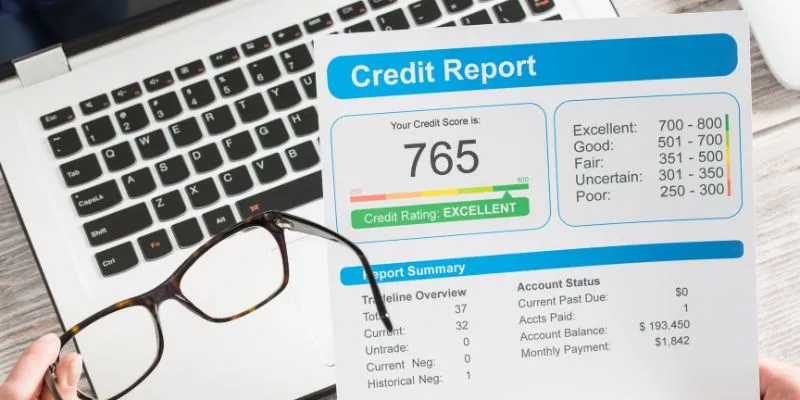
Credit reports can contain a variety of information, including:
Payment history
Credit card and loan accounts
Account balances
Credit limits
Collection accounts
Public records, where applicable
Hard inquiries
Account status
Personal identifying information
A professional review can help you understand what is affecting your credit profile and which areas deserve attention.
It is also important to understand that legitimate credit repair cannot guarantee a specific credit score or promise to remove accurate negative information simply because it is unfavorable. A reputable credit score repair service should focus on accurate reporting, consumer education, and responsible credit improvement strategies.
At MCM, credit improvement can begin with understanding your current financial position and identifying practical areas for improvement.
Why Your Credit Score Matters
Your credit score is one part of your overall financial profile. Lenders and other businesses may use credit information when evaluating applications, although approval decisions can depend on many factors.
A stronger credit profile may help you access more favorable financial opportunities, while credit challenges can make borrowing more difficult or expensive.
Your credit can matter when you are:
Applying for a Loan
Lenders may review your credit history when you apply for certain types of financing. Your credit profile can be one factor considered when determining eligibility and loan terms.
Looking for a Home
Mortgage lenders typically review credit information as part of the mortgage application process. Improving your credit profile before applying may help you become more financially prepared.
Applying for Credit Cards
Credit card issuers may consider your credit history, income, existing debts, and other information when reviewing an application.
Managing Everyday Financial Goals
Even when you are not planning to borrow money immediately, maintaining healthy credit habits can support your long-term financial goals.
Understanding these factors can make it easier to create a realistic credit improvement plan.
Common Credit Issues That Can Affect Your Score
Before trying to improve your credit, it helps to understand the issues that may be affecting your profile. Everyone's situation is different, but several common factors deserve attention.
Late or Missed Payments
Payment history is an important part of many credit scoring models. Repeated late payments can negatively affect your credit profile.
Creating reminders, using automatic payments when appropriate, and maintaining a budget can help reduce the risk of missed payments.
High Credit Card Balances
Using a large portion of your available revolving credit can affect your credit profile. Paying down balances may help improve your overall financial position and can reduce the amount of debt you carry.
Inaccurate Credit Report Information
Credit reports may sometimes contain information that a consumer believes is inaccurate or incomplete. Examples can include accounts that do not belong to you, incorrect payment information, or outdated information.
Reviewing your reports carefully can help you identify information that may need to be investigated or disputed.
Too Many Credit Applications
Applying for multiple credit accounts within a short period can result in hard inquiries. While the effect of an individual inquiry can vary, unnecessary applications may not be helpful when you are working to improve your credit profile.
Collection Accounts
Collection accounts can create challenges for consumers trying to improve their credit. Understanding the status and accuracy of collection information is an important part of reviewing your overall credit profile.
How a Credit Score Repair Service Can Help
Trying to understand credit reports can sometimes feel overwhelming. A credit score repair service can provide structure and guidance throughout the process.
A professional credit service may help you:
Review Your Credit Reports
The first step is understanding what is actually appearing on your credit reports. Reviewing the information can help identify accounts, balances, payment history, inquiries, and other details that may require attention.
Identify Potential Errors
If you notice information that appears inaccurate, you can investigate it and follow the appropriate dispute process. Documentation is important because disputes should be based on legitimate concerns about the accuracy or completeness of reported information.
Understand Your Credit Profile
Credit education can help you understand why certain behaviors may affect your credit and what habits may support improvement over time.
Create a Personalized Action Plan
There is no single strategy that works for every consumer. Your priorities may depend on your payment history, debt levels, credit age, current accounts, and financial goals.
MCM can help consumers approach credit improvement as an organized process rather than a quick fix.
Steps You Can Take to Improve Your Credit Score
Professional guidance can be useful, but your everyday financial habits also play an important role in credit improvement.
Here are several practical steps to consider.
Check Your Credit Reports
Start by reviewing your credit reports from the major credit reporting agencies. Look for accounts, balances, payment information, and personal details that appear unfamiliar or incorrect.
If you identify an error, gather supporting documentation and follow the appropriate dispute process.
Pay Bills on Time
Consistent on-time payments are an important credit-building habit. Consider setting up reminders or automatic payments for recurring bills so that important due dates are easier to manage.
Reduce Outstanding Debt
If you have significant credit card debt, creating a repayment strategy can help you make steady progress. You may choose to prioritize high-interest debt, reduce balances systematically, or use another approach that fits your budget.
Avoid Unnecessary New Accounts
Opening new accounts simply to increase available credit may not always be the right strategy. Consider whether a new account is necessary before submitting an application.
Keep Older Accounts Open When Appropriate
The age and history of accounts can be relevant to your credit profile. Closing an account may have consequences depending on your overall credit situation, so consider the potential impact before making changes.
Build Healthy Financial Habits
Credit improvement is more sustainable when it is supported by good money-management habits. Creating a budget, monitoring spending, maintaining emergency savings, and managing debt can all contribute to stronger financial habits.
How to Choose the Right Credit Score Repair Service
If you are considering professional help, take time to evaluate the service before signing up.
Look for Transparency
A trustworthy company should clearly explain its services, fees, process, and expectations. Be cautious of companies that make unrealistic promises.
Avoid Guaranteed Results
No legitimate service can guarantee that your credit score will increase by a specific number or that accurate negative information will automatically disappear.
Credit improvement depends on individual circumstances and can take time.
Understand the Costs
Ask about pricing before agreeing to services. Make sure you understand whether you will pay a monthly fee, a one-time fee, or another type of charge.
Ask About the Process
A reputable service should be able to explain what it does and what responsibilities remain with you. Clear communication can help you understand the process from the beginning.
Consider Education as Part of the Service
Credit repair should not only be about addressing current problems. Learning how credit works can help you make better financial decisions in the future.
MCM emphasizes understanding and informed action so that consumers can work toward building stronger credit habits over time.
Credit Repair Is a Process, Not an Overnight Solution
One of the biggest misconceptions about credit improvement is that it can happen instantly. In reality, improving a credit profile generally requires time and consistency.
Some changes may appear relatively quickly, while others can take longer. The timeframe depends on factors such as the information currently appearing on your credit reports, your payment history, outstanding balances, and the actions you take going forward.
For example, paying down revolving balances may affect your credit profile as updated information is reported. Establishing a consistent history of on-time payments can take longer because it requires ongoing financial behavior.
This is why choosing a credit score repair service should be about finding guidance and support rather than looking for instant results.
At MCM, the focus can be on helping consumers understand their credit situation, identify areas for improvement, and take practical steps toward their financial goals.
Conclusion
Improving your credit can open the door to greater financial opportunities, but the process requires knowledge, consistency, and realistic expectations. Reviewing your credit reports, addressing inaccurate information, making payments on time, managing credit card balances, and developing healthy financial habits can all contribute to long-term credit improvement.
A credit score repair service can provide guidance and structure when you are unsure where to begin. However, it is important to choose a service that emphasizes transparency, education, and legitimate credit improvement practices rather than unrealistic promises.
MCM can be a resource for individuals who want to better understand their credit and take meaningful steps toward improving their financial profile. Whether your goal is to prepare for future financing, improve your financial confidence, or simply gain better control of your credit, getting started with a clear plan can make the process easier to manage.
Your credit journey is unique. With the right information, consistent habits, and a practical approach, you can work toward building a healthier financial future one step at a time.
