Credit Score Improvement: Practical Steps to Build a Stronger Credit Profile
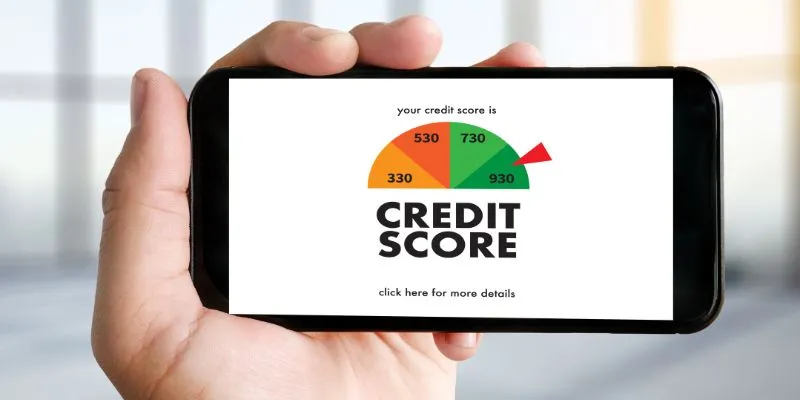
Your credit score can influence many parts of your financial life, from qualifying for credit cards and loans to receiving favorable interest rates. If your score is lower than you would like, the good news is that credit score improvement is possible with consistent habits, careful planning, and a clear understanding of what affects your credit profile.
Improving credit is not usually an overnight process. It requires reviewing your credit reports, making payments on time, managing balances responsibly, and avoiding actions that can create additional negative marks. The right approach depends on your current credit situation and financial goals.
At MCM, we understand that every credit profile is different. A thoughtful approach can help you identify areas that may need attention and create a practical path toward stronger credit habits. Whether you are preparing for a future loan, trying to qualify for better financial opportunities, or simply want to understand your credit better, starting with the basics can make the process easier.
This guide explains several practical steps you can take to work toward credit score improvement and maintain healthier credit over time.
1. Understand What Is Affecting Your Credit Score
Before working on your credit, it helps to understand the factors that influence your score. Different scoring models can weigh information differently, but payment history, amounts owed, length of credit history, new credit activity, and credit mix are commonly important factors.
Payment History Matters
Payment history is one of the most important parts of many credit scoring models. Late payments can negatively affect your credit profile, particularly when they become seriously past due.
Creating a system for making payments on time can help. Consider using automatic payments, calendar reminders, or a budgeting app to keep track of due dates.
Credit Utilization Can Affect Your Score
Credit utilization refers to how much of your available revolving credit you are using. For example, if you have a $5,000 credit limit and a $2,000 balance, your utilization is 40%.
Keeping revolving balances manageable can support responsible credit management. Paying down balances can also reduce the amount of available credit you are currently using.
Length of Credit History
The age of your credit accounts can also be relevant. Closing an older account may affect your credit profile depending on the circumstances, so consider the potential impact before closing accounts simply because you no longer use them.
2. Review Your Credit Reports for Errors
One of the first practical steps toward credit score improvement is reviewing your credit reports carefully.
Credit reports contain information about accounts, payment history, balances, inquiries, and other credit-related information. Errors can sometimes occur, such as an incorrect account balance, payment status, personal information, or an account that does not belong to you.
What Should You Look For?
When reviewing your reports, check for:
Accounts you do not recognize
Incorrect account balances
Incorrect payment information
Duplicate accounts
Outdated negative information
Incorrect personal details
Accounts incorrectly reported as delinquent
Inaccurate dates or account statuses
If you identify information that you believe is inaccurate, you can investigate the appropriate dispute process with the relevant credit reporting agency and the company that supplied the information.
Why Regular Reviews Are Helpful
Checking your credit reports periodically can help you understand what lenders and creditors may see when reviewing your credit history. It can also help you identify potential problems earlier rather than discovering them when applying for financing.
MCM encourages consumers to approach credit improvement with information first. Knowing what is actually appearing on your reports can help you focus your efforts on the areas that matter most.
3. Make Payments on Time and Create a Payment System
Consistent, on-time payments are an important part of maintaining a healthy credit profile.
Even if you cannot pay every balance in full each month, making at least the required payment by the due date can help you avoid additional late-payment problems. However, paying only the minimum can result in interest charges and keep balances outstanding for longer.
Create a Simple Payment Routine
You can make payment management easier by:
Listing every credit account and its due date.
Setting calendar reminders several days before each due date.
Enabling automatic minimum payments where appropriate.
Paying additional amounts toward balances when your budget allows.
Reviewing your accounts regularly to confirm payments were processed.
Build the Habit Over Time
Credit improvement is often about consistency rather than one major financial move. A strong payment routine can help prevent avoidable late payments and support better long-term financial management.
If you have already missed payments, do not assume your credit journey is over. Focus on bringing accounts current when possible and maintaining timely payments going forward.
4. Manage Credit Card Balances Carefully
High revolving balances can make it more difficult to maintain a healthy credit profile. Managing credit card debt is therefore an important part of a broader credit score improvement strategy.
Prioritize High-Interest Debt
If you have multiple credit card balances, review the interest rates and amounts owed. Paying more than the minimum toward higher-interest debt can help reduce interest costs over time.
Two common approaches include:
Avalanche method: Focus additional payments on the account with the highest interest rate while maintaining required payments on other accounts.
Snowball method: Focus additional payments on the smallest balance first, which can provide a sense of progress as individual balances are eliminated.
The best approach depends on your budget and financial priorities.
Avoid Maxing Out Credit Cards
Using a large percentage of your available credit can affect your credit utilization. If possible, avoid routinely charging amounts that push your cards close to their limits.
You should also avoid taking on new debt simply to improve your credit score. Credit management should fit within a realistic household budget.
5. Be Careful With New Credit Applications
Applying for new credit can result in a hard inquiry, depending on the type of application and creditor. Multiple applications within a short period may affect your credit profile and can also create additional debt if you open several new accounts.
Ask Questions Before Applying
Before submitting an application, consider:
Do I actually need this account?
Can I comfortably manage the monthly payment?
What fees and interest rates apply?
Will this account fit into my existing budget?
Am I applying because I need credit or simply because I was offered it?
Being selective about new credit can help you avoid unnecessary applications and accounts.
Be Strategic About Credit
If you are preparing for a major financial goal, such as buying a home or financing a vehicle, it may be useful to review your overall credit position before applying for additional accounts.
MCM can help you focus on understanding your current credit situation and developing responsible strategies for moving forward.
6. Build Healthy Credit Habits for the Long Term
Credit score improvement is not simply about increasing a number. The larger goal is to develop financial habits that support a healthier credit profile over time.
Keep Older Accounts in Perspective
Older accounts can contribute to the length of your credit history. However, keeping an account open should also make financial sense. Consider fees, account terms, and your overall financial situation before deciding whether to close an account.
Maintain a Balanced Credit Profile
Having experience with different types of credit can be part of your credit history. However, you should not take out loans or open accounts solely for the purpose of creating a particular credit mix.
Only use credit products that serve a genuine financial purpose and that you can manage responsibly.
Monitor Your Progress
Credit improvement takes time. Instead of checking your score constantly, create a regular review routine. Track changes in balances, payment history, and other relevant information.
You can also set specific financial goals, such as:
Paying down a certain amount of credit card debt
Establishing consistent on-time payments
Reviewing your credit reports regularly
Reducing unnecessary credit applications
Building a realistic monthly budget
Preparing your credit for a future financial goal
Small improvements in financial habits can add up over time.
Conclusion
Credit score improvement starts with understanding your current credit profile and taking consistent, responsible steps to manage it. Reviewing your credit reports, making payments on time, controlling credit card balances, limiting unnecessary applications, and developing long-term financial habits can all contribute to better credit management.
There is no single strategy that works the same way for everyone. Your current accounts, payment history, balances, and financial goals all matter. That is why it is important to focus on your individual circumstances rather than looking for a quick fix.
At MCM, we believe that informed credit management begins with understanding where you are today and identifying practical steps for moving forward. With patience, consistency, and responsible financial decisions, you can work toward a stronger credit profile and greater confidence in managing your finances.
If you are ready to take a closer look at your credit situation, MCM can help you understand your options and develop a more organized approach to your credit improvement goals.
